Posted on March 16, 2026 by Fusion Connect
Migrating voice to Microsoft Teams doesn’t have to mean replacing every phone, analog device, or paging system in your environment. Microsoft Teams SIP Gateway lets organizations enable Teams core calling functionality on compatible SIP devices—without an on‑premises PBX and without disrupting existing workflows.
SIP Gateway is a native Teams service that allows third‑party SIP phones and adapters to connect directly to Microsoft Teams. This makes it possible to consolidate telephony on Teams while extending the life of existing device investments.
What Does SIP Gateway do?
With SIP Gateway, supported devices become part of the Teams calling ecosystem, including routing policies, management, and emergency services. Key capabilities include:
- Inbound and outbound calling with call transfer and forwarding
- Voicemail with message waiting indicators
- Dial‑in and dial‑out for Teams meetings, including request‑to‑join
- Do Not Disturb and in‑call presence
- Call queues and common area phone support
Devices authenticate directly to Teams and are managed centrally through the Teams Admin Center, including inventory visibility and bulk sign‑in. Emergency calling and location support are also included, with security desk notifications when required.
Broad Device and Use‑Case Support
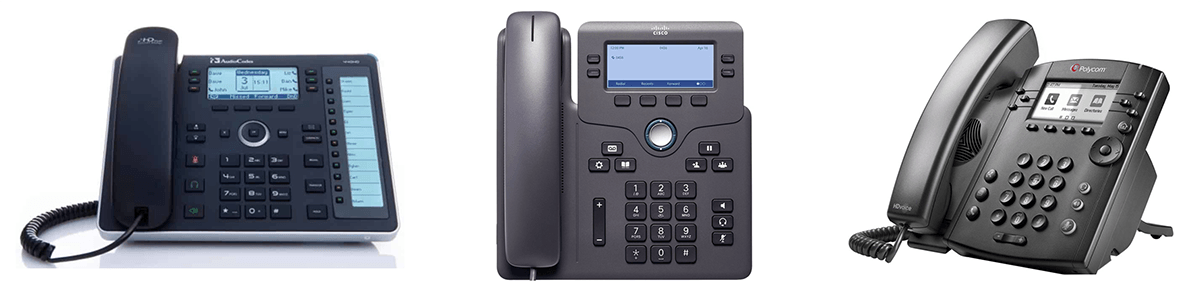
SIP Gateway supports a wide range of IP phones from Cisco (MPP firmware), Poly, AudioCodes, and others. Plus, it supports select analog adapters and Skype for Business phones that have been flashed with SIP firmware. It also extends Teams calling to analog and overhead paging scenarios—such as elevators, door phones, pagers, and loudspeakers—without requiring a local PBX.
A Practical Path to Cloud Voice
By allowing legacy SIP and analog devices to connect directly to Teams, SIP Gateway reduces complexity, lowers cost, and accelerates cloud voice adoption.
Microsoft Teams Calling Services
Make calls to mobile devices and landlines through Microsoft Teams with Operator Connect.